What makes a workplace work for women? Essity takes on the health gap
New workplace indicators in Mexico are putting menstruation and menopause on the agenda for employers, signaling a broader shift toward recognizing the importance of women’s health for working life and productivity. From Latin America to Europe and Australasia, Essity is combining research, partnerships and practical solutions to accelerate change and help turn awareness into action.
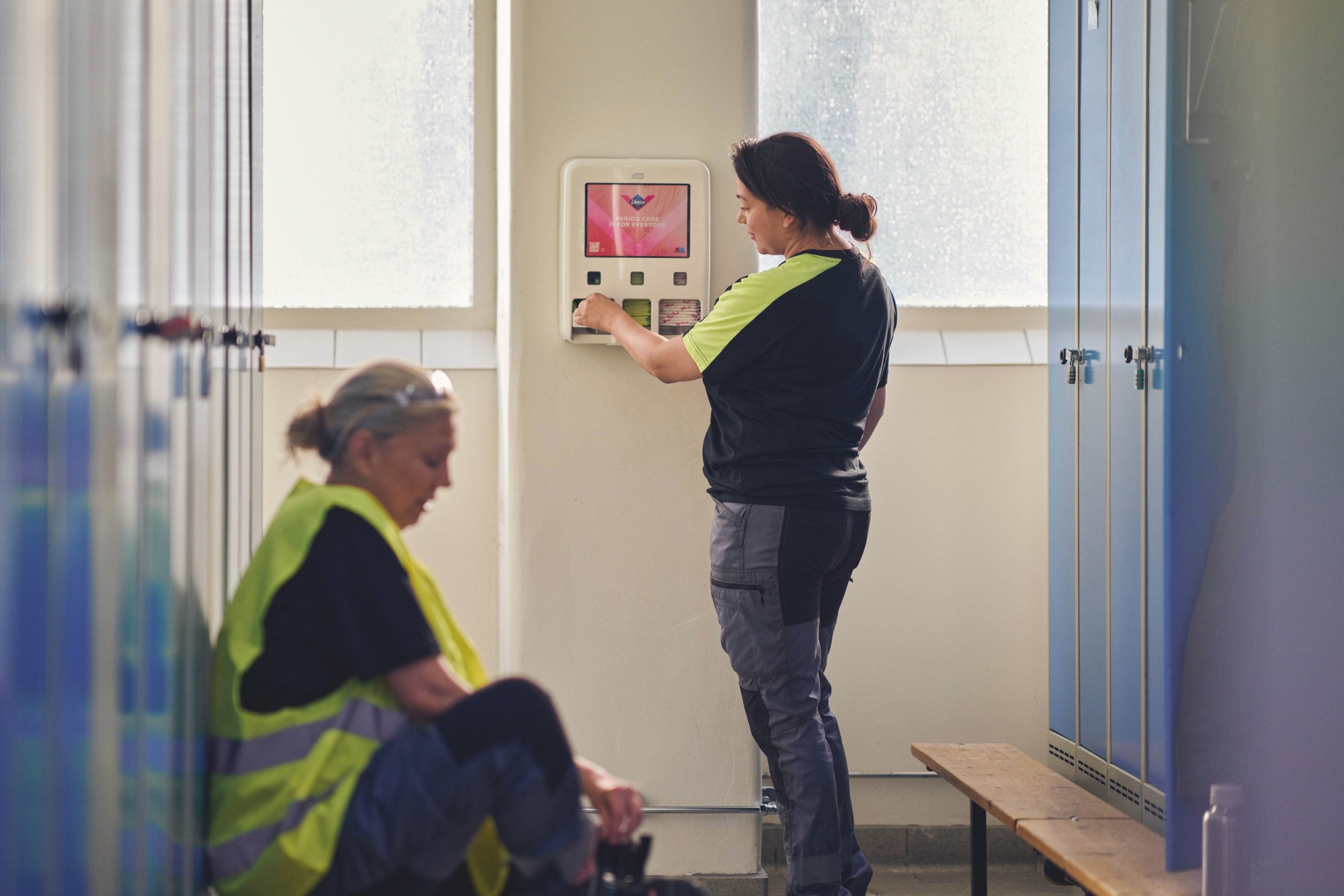
Pay, career opportunities and flexibility are familiar measures of a good workplace. But another set of questions is increasingly entering the conversation. Can employees manage their periods with dignity at work? Is there understanding and support around menopause? Are appropriate products and facilities available? And can people talk openly about the topic without stigma?
Mexico puts women’s health on the scorecard - In Mexico, these questions are becoming measurable. Together with Grupo Expansión, a leading business and economic media, Essity has developed Spaces that Care (Espacios que Cuidan). The initiative introduces four indicators on menstrual health and menopause into the 2026 edition of Expansión’s Responsible Companies Ranking.
The indicators examine whether companies have formal policies or protocols, suitable facilities and products, appropriate spaces for managing symptoms, and awareness or training initiatives. A model that could inspire similar approaches in other countries.
Essity research conducted in 2026 also shows why workplace support matters. In Mexico, 91% of women surveyed reported lower productivity during menstruation and 45% said they had missed work because of menstrual discomfort. Another Essity study from March 2025 reports that 95% of companies surveyed do not consider menstrual health in their work environment.
In Brazil, together with Great Place to Work and Dalia, Essity has studied the experiences of more than 1,600 women and 80 companies to better understand the gap between what women experience and how employers respond. 96.7% of women surveyed reported an impact on their professional performance during menstruation, while six in ten said they had stopped working at some point because of associated symptoms.
From conversation to practical change around the world - In France, Essity has made women’s health at work a priority for its 2026 communications program, with a focus on menstruation, menopause and lymphedema. Although more than one in three working women (36%) are experiencing menopause or perimenopause, eight in ten working women say menopause remains a taboo topic in the workplace1.
In Sweden, 55% of surveyed women aged 18 to 55 said they did not feel completely comfortable talking openly about menstruation at work, while around one in ten reported having witnessed discrimination or mocking related to menstruation, a figure also confirmed in Essity’s menstrual health white paper.
In Australia and New Zealand, Essity launched the Libra Period Positivity Program in 2019 to help reduce menstrual stigma through workplace initiatives and education.
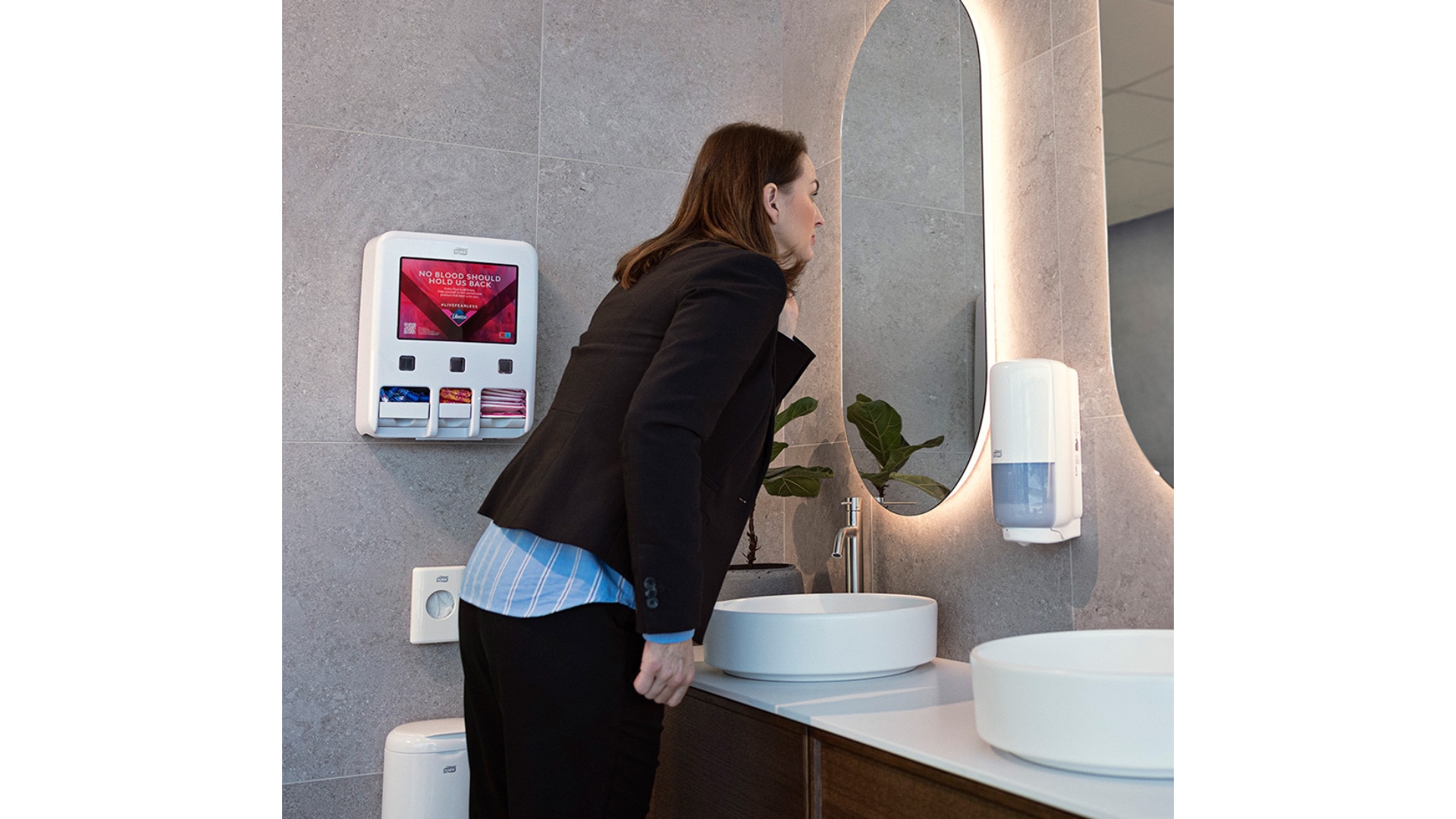
In many European countries, Tork Period Care is expanding access to free period products in workplaces, education, and public restrooms. Essity’s research2 found that 46% of people believe employers should provide free period products, while only 14% said their employer currently does.
Joining forces for greater impact - Essity is working with UNFPA to advance women’s health and reproductive rights in the workplace. As one of the first global partners in the UNFPA-led Coalition for Reproductive Justice in Business, Essity helped pilot and endorse its workplace metrics, designed to give companies a practical framework for strengthening sexual and reproductive health and rights at work.
Essity has also contributed to and welcomed the publication of ISO 45010, the first international guidance standard on menstruation and menopause in the workplace, reinforcing the importance of supportive policies and working environments. For employers, the message is clear: supporting menstrual and menopausal health is not only about individual wellbeing. It is also about creating workplaces where people can thrive throughout their working lives, helping strengthen inclusion, engagement and the ability to attract and retain talent.
Through these partnerships and contributions, Essity is also advocating for a “menstrual health in all policies”3 approach, helping bring menstrual health into workplace standards, guidance and everyday practice.
That wider challenge remains significant. Around 500 million people globally lack access to period products and adequate facilities to manage their periods in a healthy and dignified way, including at work.
And the evidence base continues to grow. In Colombia, Essity and UNFPA are advancing research into menstruation and menopause, covering barriers, costs, stigma, access to products and sanitation, absenteeism, presenteeism and workplace support. The aim is to translate the findings into practical measures, including workplace pilots and policy recommendations.
Across markets, the approaches differ, but the direction is the same: women’s health is moving up the workplace agenda, from greater awareness to measurable, practical action.
¹ OpinionWay survey conducted online for Essity among a representative sample of 1,504 women in the workforce ages 18–64 in France, from February 27 to March 6, 2026.
² Tork Insight Survey 2025, conducted in US, UK, Germany, France, Mexico, Canada, Australia, Spain, Sweden, Netherlands and Poland among 11,500 from the general public and 1,000 cleaning staff.
³ A “menstrual health in all policies” approach ensures that menstrual health is addressed comprehensively across sectors like education, infrastructure, gender, and employment. More information here.