Closing the menstrual health gap

Menstrual health is a vital part of overall health and well-being, yet millions of people still face barriers to managing their periods with dignity and confidence. Of the 2.1 billion people who menstruate each month, many lack access to menstrual health support. At Essity, we are helping close the menstrual health gap through innovation, education, partnerships, and advocacy. By improving access and breaking stigmas, we enable more people to participate fully in school, work, and everyday life.
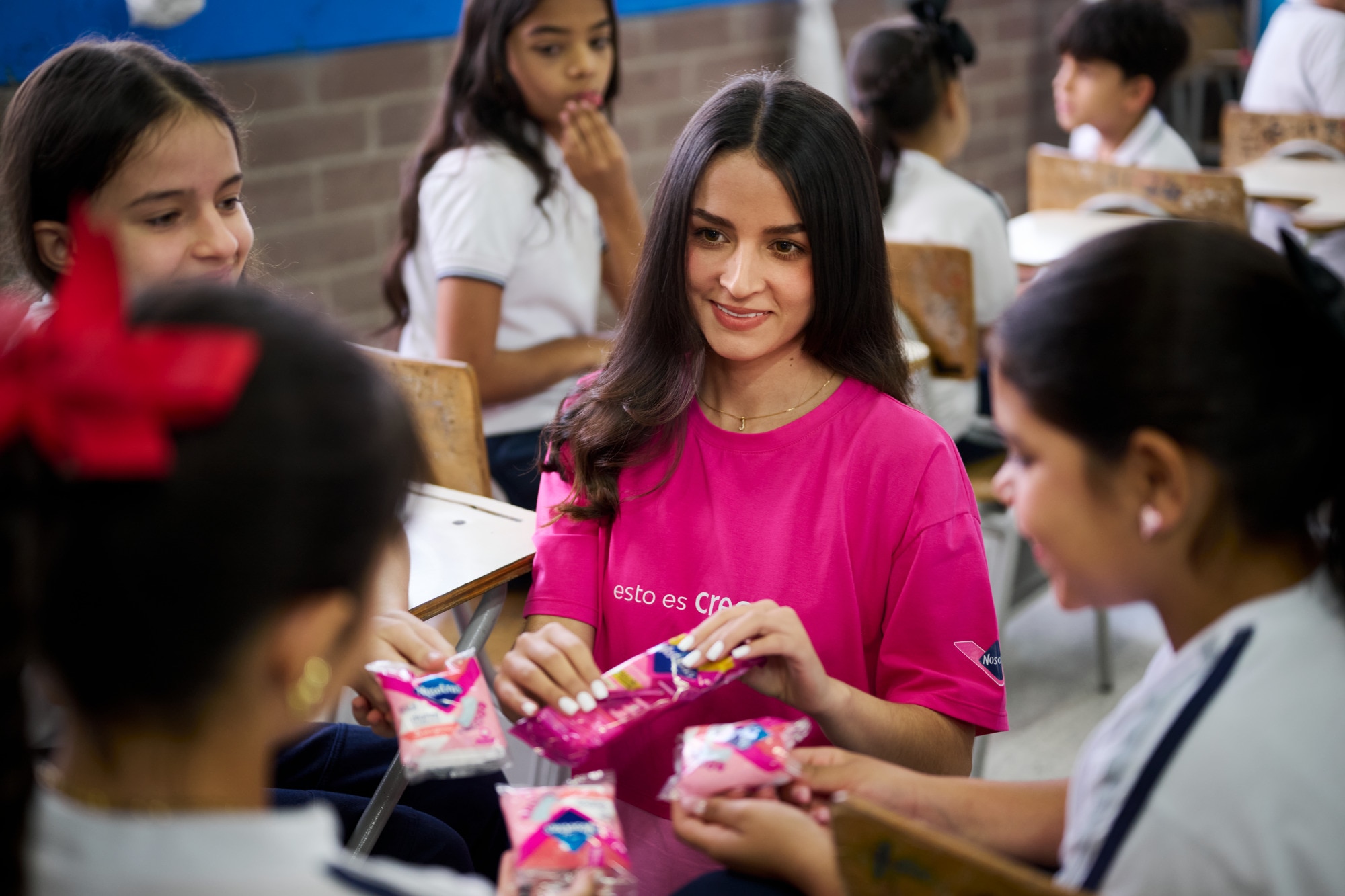
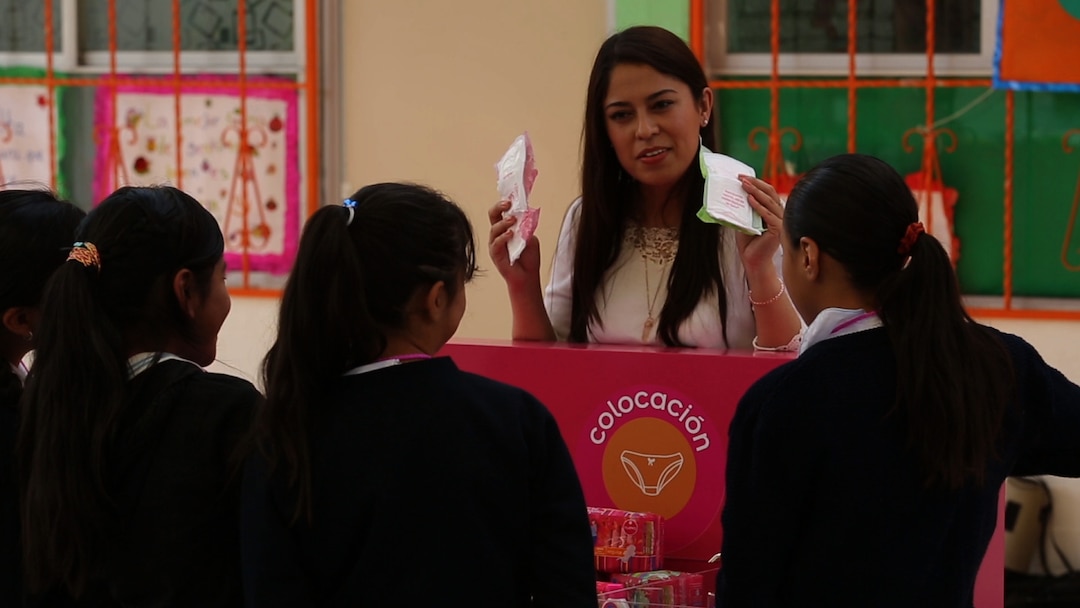
Education Tampones School

Menstrual health in all policies

The menstrual health gap is a global challenge affecting access to safe and affordable period care products, clean water, safe and private sanitation facilities, inclusive and accurate menstrual health education and information, access to care, and environments free from taboos and stigma.

Menstrual health is not only a health issue but also a matter of human rights, gender equality, and economic and social justice. It is therefore crucial to achieving the Sustainable Development Goals (SDGs). Closing the menstrual health gap requires action beyond health care. Education, employment, infrastructure, and public policy all play a role.

Whitepaper menstrual health

The white paper "A Policy Roadmap for Closing the Menstrual Health Gap", developed by Essity with Stanford, Karolinska, WASH United, PERIOD., and Equimundo, outlines a practical “menstrual health in all policies” approach. This roadmap shows how menstrual health can be addressed comprehensively across sectors such as education, infrastructure, gender, and employment to accelerate progress.
Facts and insights

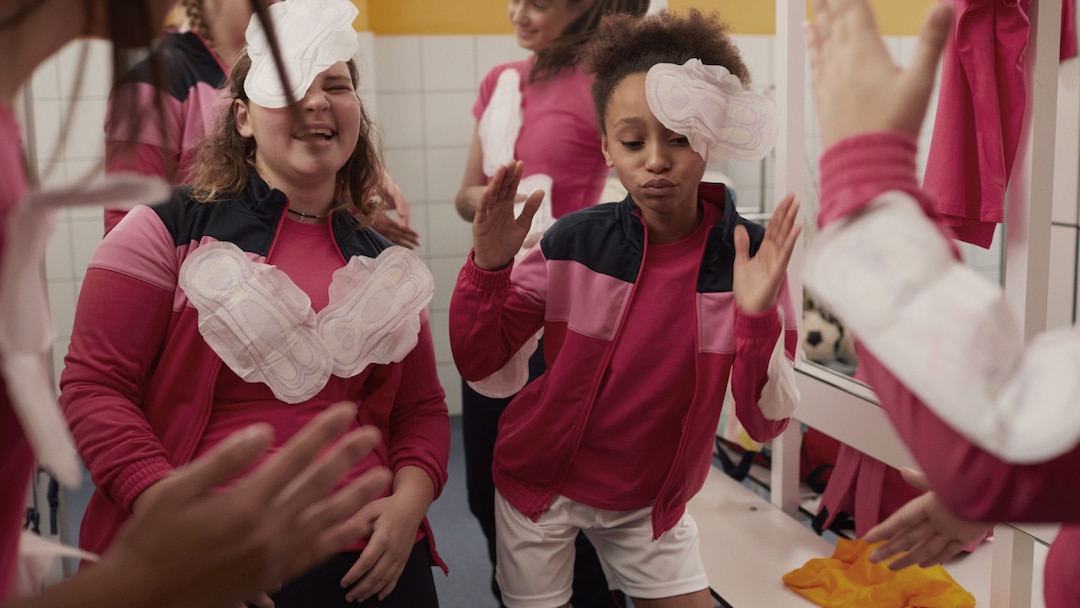
Nana Libresse Bodyform Taboo

Taboo and stigma-free environments

Menstrual health should be understood and discussed without stigma. Yet many people still experience discomfort or discrimination related to menstruation.


55% of women aged 18–55 do not feel completely comfortable talking openly about menstruation at work. 


Source: Essity Hygiene and Health Survey, 2022

Menstrual Education South America

Access to information and education

Access to accurate menstrual health information helps people make informed decisions and challenge misconceptions. Yet knowledge gaps remain common around the world.


Only 55% of respondents reported feeling knowledgeable about menstruation. 


Source: Kantar Sifo Panel, Sweden, 2023

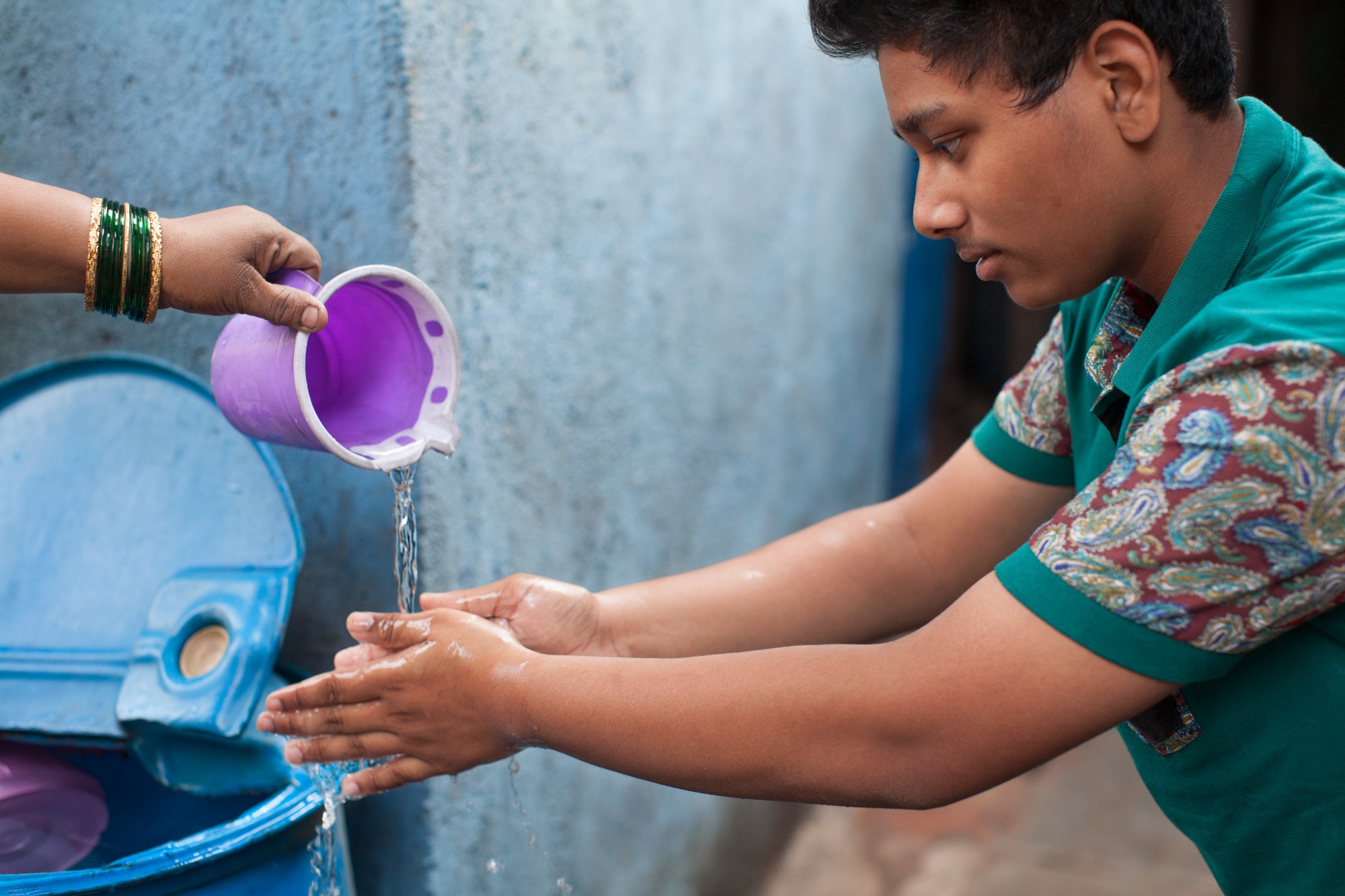
Tif Boy Washing Hands

Access to clean water and sanitation

Safe water and sanitation facilities are essential for managing menstrual health with dignity, privacy, and confidence.


427 million children worldwide lack access to basic sanitation services at school.


Source: WHO/UNICEF Joint Monitoring Programme 2015–2023, 2024
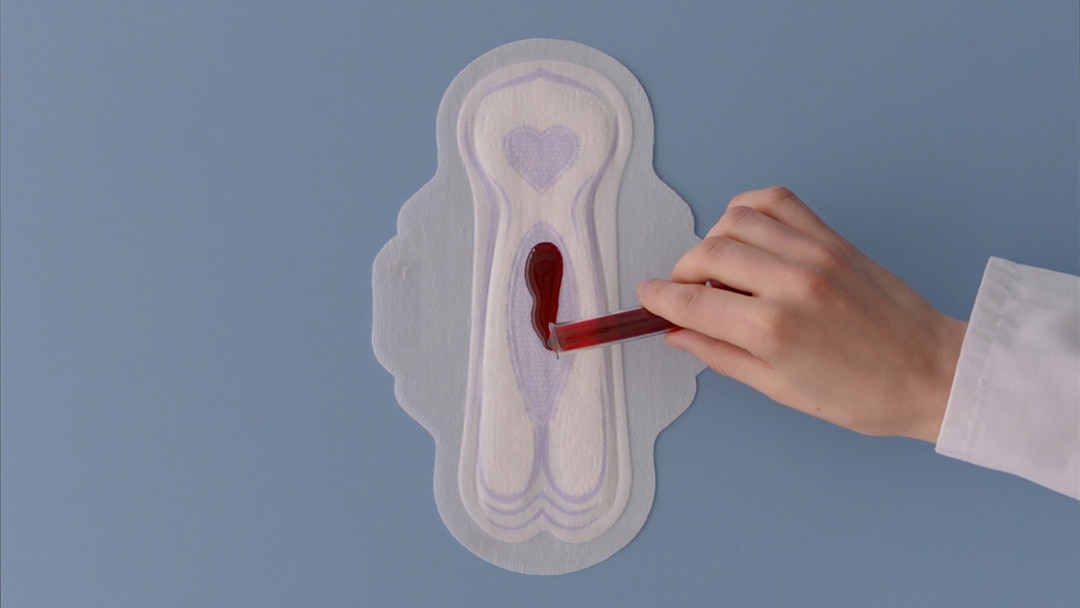
Essity Blood Normal

Product access

Access to safe and affordable period products is essential for menstrual health.


Around 500 million people lack access to menstrual products and adequate facilities for menstrual hygiene management. 


Source: World Bank, Menstrual Health and Hygiene, 2025

Whitepaper endorsements

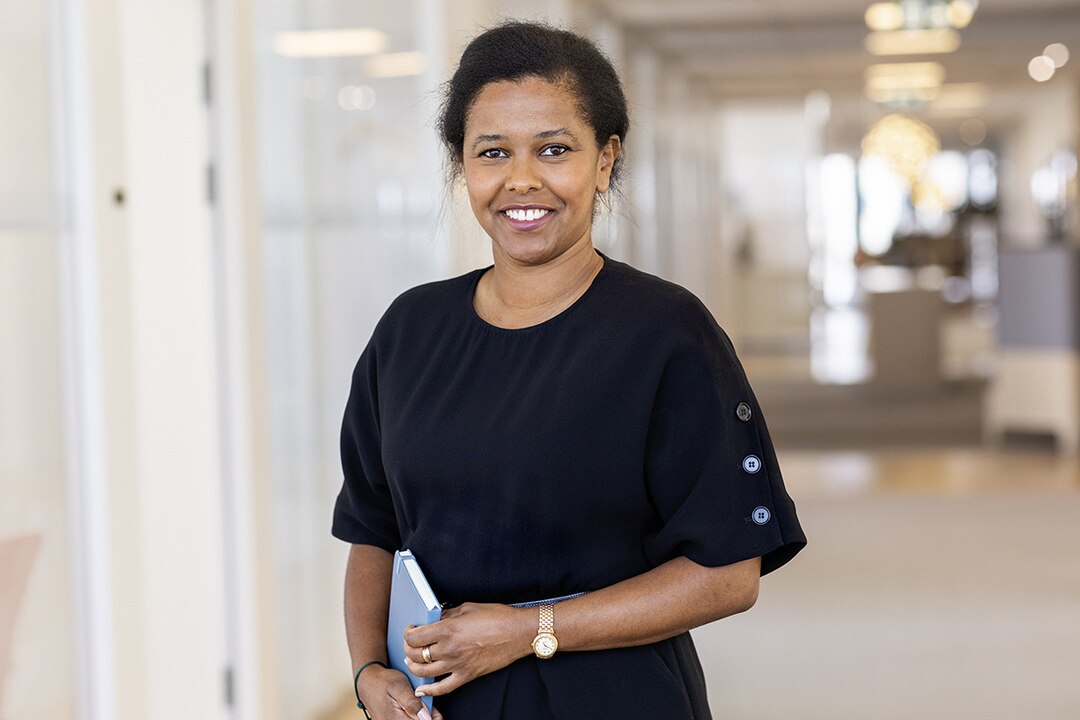
Sahil Tesfu

Sahil Tesfu, Chief Strategy & Sustainability Officer

“Menstrual health is a matter of rights, gender equality, and sustainable development. I am proud to endorse this groundbreaking white paper on closing the menstrual health gap. Despite over 1.8 billion people menstruating every month, access to essential menstrual health resources remains inadequate - everywhere. The "menstrual health in all policies" approach, with concrete examples of policy changes from across the globe, provides a comprehensive strategy to dismantle barriers to menstrual health. This ensures that everyone who menstruates—from the very first period to the last— at school or work can do so with dignity, free from stigma or fear of discrimination. Through multi-stakeholder action, this approach can significantly accelerate the progress we need to reach the sustainable development goals. It’s simply the right thing and the smart thing to do.”

Ewa Andersson

Ewa Andersson, midwife, associate professor Karolinska Institutet

“I wholeheartedly endorse the emphasis on menopause within the broader context of menstrual health. As women now enjoy longer lifespans, with 40% of their lives spent post-menopause, it is essential to acknowledge and prepare for this significant phase. The white paper highlights a critical gap in knowledge and awareness surrounding menopause, which remains often neglected in healthcare and society. This oversight can lead to unnecessary challenges and a diminished quality of life for many women. By fostering open discussions and enhancing resources related to menopause, we can empower women to navigate this transition with better support and understanding”

Gary Barker

Gary Barker, PhD, President and CEO, Equimundo: Center for Masculinities and Social Justice

"Essity's "Closing the Menstrual Health Gap" makes clear what we all need to make normal -- that 1.8 billion people menstruate every month and that this simple biological reality is still too often hidden behind taboo, stigma, and lack of access to basic menstrual health.  As an organization dedicated to bringing men and boys into conversations of gender equality and caring, and connected manhood, the paper is a hugely important part of that conversation. We are pleased to partner in this important initiative."

Mariarosa Cutillo

Mariarosa Cutillo, Chief, Private Sector and Civil Society Branch, United Nations Population Fund (UNFPA)

"This white paper provides a compelling view of the multi-faceted challenges that constitute the menstrual health gap. The emphasis on a ‘menstrual health in all policies’ approach makes this work particularly impactful. It also aligns significantly with UNFPA's work delivered through the Coalition for Reproductive Justice in Business, which is mentioned in this paper. The Coalition seeks to mainstream menstrual health policies in the workplace and in global supply chains. Essity is our partner on this very important journey: As one of our Coalition Champions for menstrual health in the private sector, we are working together to build inclusive workplaces where menstruation will no longer be a barrier to full participation in society."

Marie Klingberg Allvin

Marie Klingberg-Allvin, midwife, professor reproductive health, Karolinska Institutet, Sweden

“I fully endorse the initiative to address the menstrual health gap through a life course perspective, as it is essential for promoting gender and health equity while aligning with the Sustainable Development Goals (SDGs). This white paper is a critical step towards engaging key stakeholders, ensuring that menstrual health is integrated into policies across various sectors such as health care system, education, infrastructure, gender, and employment. It is imperative to acknowledge the limited evidence surrounding the impact of menstrual health on individuals' social, work, and academic lives, as well as on their relationships and self-esteem. Increased attention and resources are vital to advancing the Menstrual Health Gap globally” 

Kathleen Sherwin

Kathleen Sherwin, Chief Strategy & Engagement Officer, Plan International & WEF Champion

“Plan International believes all girls and women should enjoy their sexual and reproductive health and rights (SRHR). We emphasize breaking down taboos around menstrual health, train teachers and health staff, provide quality menstrual products, and create girl-friendly school facilities to improve attendance and self-esteem. Periods are natural, not shameful. Everyone who menstruates should have access to accurate information and clean, private toilet facilities.”

Nadya Okamoto

Nadya Okamoto, Co-Founder, August

“This white paper is crucial for recognizing menstrual health as key to global gender equality advocacy. It provides a formal, well-researched foundation, ensuring this often-overlooked issue gets the attention it deserves in policy and advocacy. Achieving menstrual equity is essential for advancing gender equality and progress across all Sustainable Development Goals. I hope this document inspires collaborative action, making menstrual health central to a more equitable and inclusive world.”

Paula Bellostas Muguerza

Paula Bellostas Muguerza, Senior Partner and Global Head Healthcare & Life Sciences, Kearney

“Closing the menstrual health gap is a moral, health, and economic imperative central to addressing Sexual and Reproductive Health inequities and the broader women's health gap. This complex challenge requires mobilizing public and private sectors with tangible policies and actions globally, regionally, and locally. We are committed to support the actions in this Policy paper and look forward to collaborating with all stakeholders in our [w]Health community to close the menstrual health gap.”

Shannon Cohn

Shannon Cohn, Director, Project Endo

"Menstrual health directly impacts more than half of the world’s population yet is often minimized or completely ignored. Integrating menstrual health policies across all sectors will be a transformative step in closing the menstrual health gap. Project Endo is honored to work alongside Essity and the World Economic Forum in supporting this groundbreaking Roadmap as part of a plan to close the gender health gap once and for all."

Joanna Headshot

Joanna Griffiths, Founder and President, Knix

“Since 2013, Knix has been advocating for menstrual equity and women’s health. With half of the world’s population experiencing periods, it’s imperative that conversations and education around periods are normalized and accessible. Over the past 10+ years, Knix has created a number of campaigns and initiatives to help break taboos and inspire positive change. I’m proud to endorse this white paper Essity has initiated, which will help close the Menstrual Health Gap to foster a safe, clean, accessible and dignified experience for everyone who menstruates.”