 Austria
  Belgium
  Canada
  Denmark
  Finland
  France
  Germany
  Italy
Italy  Mexico
  Netherlands
  Norway
  Poland
  Spain
Spain  Sweden
  United Kingdom
  USA
USA 
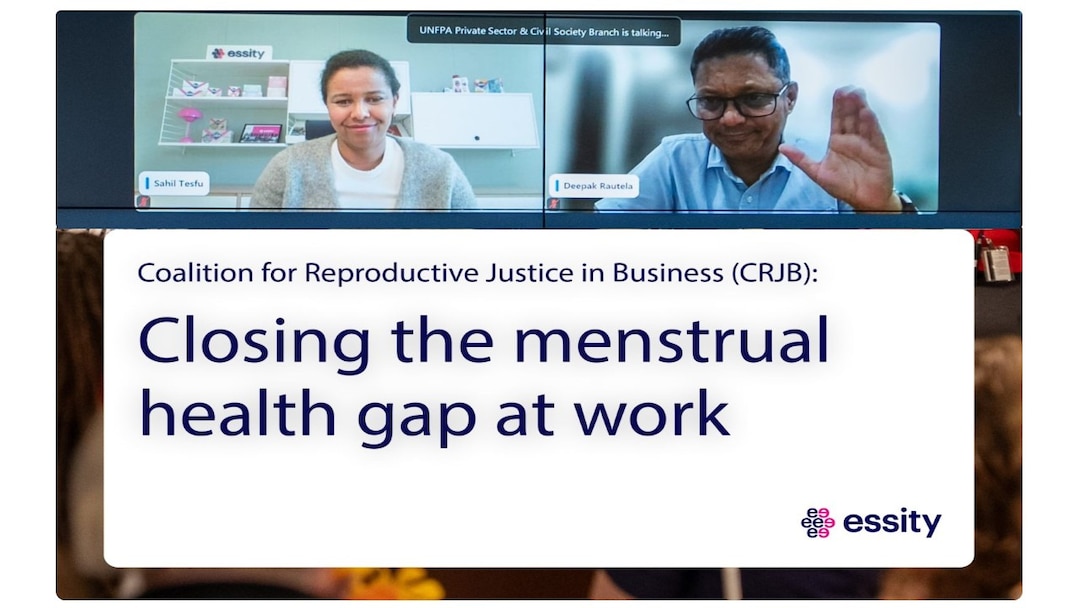
At the 70th session of the United Nations Commission on the Status of Women, Essity, a global leading hygiene and health company, co-hosted a side event with UNFPA, United Nations Sexual and Reproductive Health Agency, to discuss how employers can help remove these barriers. The discussion brought together business, government and civil society to focus on the role companies can play in integrating menstrual health into workplace policies and practices.
The discussion reflected a growing consensus among employers, policymakers and civil society that menstrual health at work is no longer a fringe issue, but a practical lever for inclusion, participation, resilience and performance. In addition, speakers highlighted the importance of viewing menstrual health through a life-course perspective, from the first period to menopause.
“Menstrual health in the workplace is essential for inclusion, dignity and participation. When employers address it proactively, they help create healthier, more resilient work environments that benefit both people and organizations,” said UNFPA.
Through its partnership with UNFPA and its engagement in the Coalition for Reproductive Justice in Business, Essity advocates for a “menstrual health in all policies” approach. The aim is to support employers and policymakers in embedding menstrual health into workplace standards, guidance and everyday practice, helping turn awareness into action.
This external advocacy is matched by action within Essity’s own organization. Menstrual health is integrated into the company’s global well-being framework, with free access to period products in washrooms and initiatives designed to normalize conversations around menstruation and menopause. These efforts help build awareness, trust and inclusion at work, while strengthening understanding, engagement and resilience across teams.
From a business perspective, the case for action is increasingly clear. Evidence shows that lack of menstrual health support can affect participation, productivity and retention, while proactive policies contribute to healthier, more inclusive workplaces. With international guidance such as the upcoming ISO 45010 standard on menstruation, menstrual health and menopause at work, expectations on employers are also evolving and increasing.
“Employers who invest in menstrual health are investing in their people. It is not a nice-to-have, but a strategic enabler of business performance and employee well-being. By acting proactively, businesses can help shape more inclusive workplaces while unlocking social and economic value,” said Sahil Tesfu, Chief Strategy and Sustainability Officer at Essity.
As a global provider of period care products, with iconic brands like Bodyform, Libresse, Nana, Nosotras, Nuvenia, Libra, Saba, Knix, Modibodi and TOM Organic, as well as Carefree, Playtex, Stayfree and o.b. in the United States, menstrual health sits at the heart of Essity’s purpose to break barriers to well-being. Essity brings long-standing expertise in period care together with a clear focus on how workplaces can better support people across different stages of life, from the first period through menopause.